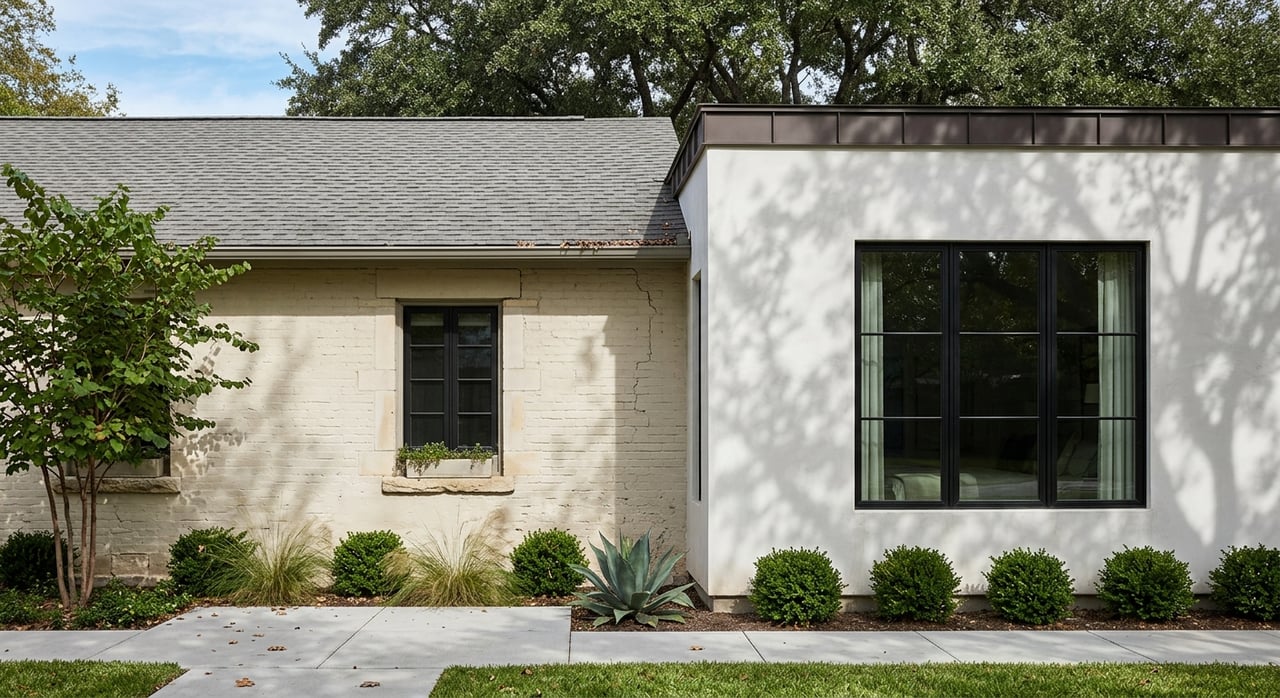
If you own or hope to buy in Pemberton Heights, the question is rarely just how much space you want. It is also about what the lot, the house, and the neighborhood will realistically support. In a place known for mature trees, deep setbacks, and homes dating largely from the 1920s through the 1940s, the choice to remodel or rebuild can carry design, permit, and resale consequences. This guide will help you think through that decision with more clarity, so you can plan with fewer surprises and move forward with confidence. Let’s dive in.
Why Pemberton Heights Is Different
Pemberton Heights is part of the Old West Austin National Register Historic District, and the neighborhood association describes it as a community of 613 residences with housing that ranges from cottages to grand estates. The area includes a broad mix of architectural styles, including Tudor Revival, Colonial Revival, Classical Revival, Spanish Colonial Revival, Italian Renaissance Revival, Craftsman, and Prairie School. That variety gives the neighborhood visual richness, but it also means changes to massing, rooflines, and materials tend to get close attention. You can review the neighborhood background on the Pemberton Heights Neighborhood Association website.
Site conditions matter here too. The neighborhood association notes street setbacks of roughly 30 to 40 feet, along with mature heritage trees and landscaped traffic islands. Before you even get to design preferences, those factors can limit where and how a home can expand.
For many owners, that is the heart of the remodel-versus-rebuild debate. In Pemberton Heights, you are not making a decision in a vacuum. You are making it within a neighborhood where architectural continuity and streetscape character are part of what people value when they buy.
Start With Historic Status
Before you sketch plans or price out demolition, check the property’s status with Austin’s preservation tools. The city’s Historic Preservation Office advises owners to use the Historic Property Viewer to see whether a parcel is a historic landmark, in a locally designated historic district, or in a National Register district.
That distinction matters. Austin notes that National Register districts are largely honorific at the zoning level, but that does not mean projects are exempt from review. Historic review can still apply to many permit types, especially for exterior alterations, additions, site work, and new construction in qualifying locations.
If a house is individually landmarked, the review path may be different from a home that is only within a National Register district. A locally designated district can also carry a different standard than a National Register district. In practical terms, two homes on nearby blocks can face very different levels of review.
What Triggers Austin Review
Austin’s Residential Plan Review covers new construction, additions, interior remodeling, and demolition for single-family, duplex, or two-family homes. The city states that a historic review is required for structures 45 years old or older when the exterior is demolished or modified, and for properties located in a National Register district or zoned H or HD.
That means many Pemberton Heights homes will likely cross an important threshold based on age alone. Since much of the neighborhood developed from the 1920s through the 1940s, owners should assume early due diligence is essential before finalizing a remodel or teardown plan.
Interior-only work may seem simpler, and in some cases it is. Still, interior remodeling goes through Residential Plan Review, so you should confirm the proper permit path before construction begins.
Exterior Changes Matter Most
If your project changes the exterior, expands the footprint, adds permanent site work, or involves demolition, review requirements become more important. Austin’s preservation guidance specifically calls out exterior alterations, additions, permanent site work, and some forms of new construction as triggers for historic review in qualifying cases.
This is one reason a modest-looking addition can become more complex than expected. Even if your goal is simply to modernize the layout, the city may still review how the work affects the structure and site.
Demolition Has Its Own Rules
Austin’s demolition requirements add another layer. The city requires pre-demolition inspection and notification to adjacent residential structures for total demolitions and some qualifying partial demolitions.
The rule can also apply to additions or remodels that remove more than 50% of exterior walls. Before applying, Austin recommends verifying through Land Use Assistance that new construction will be permitted on the site. For owners weighing a teardown, that step is especially important.
Remodel: When It May Make Sense
In Pemberton Heights, remodeling often appeals to owners who value the original architecture, want to preserve curb presence, or hope to avoid some of the uncertainty that can come with a full teardown. A well-planned remodel may also align more naturally with the neighborhood’s preservation goals and established streetscape.
A remodel may be worth a closer look if:
- You want to preserve original design features or exterior character
- The lot has constraints from setbacks or mature trees
- The existing structure can support the space you need through an addition or reconfiguration
- You are thinking about future resale in a market that may value authenticity and craftsmanship
The Old West Austin neighborhood plan treats historic buildings as a defining part of area character and recommends preservation-minded approaches, along with compatible standards for setbacks, porches, and garages. You can see that framework in the Old West Austin Neighborhood Plan.
Rebuild: When It May Be Worth Exploring
A rebuild may come into the conversation when the existing layout no longer works, the structure needs extensive updating, or the cost and complexity of a major remodel begin to approach new construction. For some owners, rebuilding can offer a cleaner path to current systems, modern floor plans, and a better long-term fit for how they live.
That said, rebuilding in Pemberton Heights is rarely just about replacing one house with another. Demolition rules, tree protection, historic review, and site development constraints can all shape what is possible. The city also notes that tree protection may apply, and larger projects can trigger Austin’s construction and demolition recycling ordinance.
If you are considering a rebuild, the key question is not just, Can you build new? It is also, What kind of new construction is likely to gain approval and still make sense for the block, lot, and future buyer pool?
How Character Affects Resale
Resale in Pemberton Heights is closely tied to context. Buyers are often purchasing not only square footage, but also architectural continuity, lot use, and the feel of the street.
Recent research suggests historic designation can influence value and transaction patterns. A 2025 study found that National Register listing was associated with 9% to 12% higher property values and higher sales volume, while local historic district effects varied depending on overlap and designation type. The same study found more permitted renovations and less new construction or subdivision in local districts, which is useful context when thinking about how preservation may shape market behavior. See the study on ScienceDirect.
No single study can predict the outcome for a specific home, but the broader takeaway is helpful. In a neighborhood like Pemberton Heights, preserved exterior character and thoughtful scale may support value, while an overly aggressive teardown strategy may face more scrutiny and appeal to a narrower slice of buyers.
Key Questions Before You Decide
Before you commit to a remodel or rebuild strategy, it helps to answer a few practical questions early:
- Is the property a landmark, in a local historic district, or in a National Register district?
- Is the structure more than 45 years old?
- Would your plan change the exterior, remove major wall sections, or trigger demolition review?
- How will setbacks, trees, and site layout affect expansion potential?
- Are there deed restrictions or restrictive covenants that need to be verified?
- Does your budget still make sense after review timelines and design constraints are considered?
- Which path is more likely to preserve long-term appeal for future buyers?
These questions can save time, money, and frustration. In Pemberton Heights, early clarity often matters more than fast decisions.
A Smarter Planning Approach
For many owners and buyers, the best first move is not choosing sides too quickly. It is building a decision framework based on the home’s status, the lot’s constraints, and the likely permit path.
That is especially true in a neighborhood where one property may be a straightforward renovation candidate while another may require a much more careful review process. The same address can look very different once you factor in age, exterior scope, demolition thresholds, setbacks, and tree protection.
If you are buying with renovation plans in mind, this kind of due diligence belongs in the front end of your search. If you already own in Pemberton Heights, it can help you decide where to invest and what approach is most likely to protect both usability and long-term value.
When you want a more strategic read on how a specific Pemberton Heights property may fit the market, working with a neighborhood-focused advisor can help you weigh the design vision against the realities of review, resale, and buyer expectations. For a private consultation, connect with Bridget Ramey.
FAQs
What makes a remodel-versus-rebuild decision more complex in Pemberton Heights?
- Pemberton Heights combines older housing stock, deep setbacks, mature trees, and historic district context, so design and permit decisions often involve more constraints than in newer neighborhoods.
Does a Pemberton Heights home in a National Register district need Austin historic review?
- Often, yes. Austin states that while National Register districts are largely honorific at the zoning level, historic review still applies to many exterior alterations, additions, site work, and some new construction permits.
Do interior remodels in Pemberton Heights require Austin permits?
- Yes. Interior remodeling still goes through Residential Plan Review, even if historic review is usually more tied to exterior work, demolition, or site changes.
When does demolition review apply to a Pemberton Heights house?
- Austin requires pre-demolition inspection and neighbor notification for total demolitions and some qualifying partial demolitions, and remodels or additions that remove more than 50% of exterior walls can also trigger demolition notification rules.
Why do mature trees and setbacks matter when planning a Pemberton Heights project?
- The neighborhood association notes setbacks of roughly 30 to 40 feet and mature heritage trees, both of which can limit where additions or new construction can be placed on a lot.
How can historic status affect resale in Pemberton Heights?
- Research suggests some forms of historic designation may support value and sales activity, and in Pemberton Heights buyers may pay close attention to preserved character, lot use, and how well a project fits the surrounding streetscape.