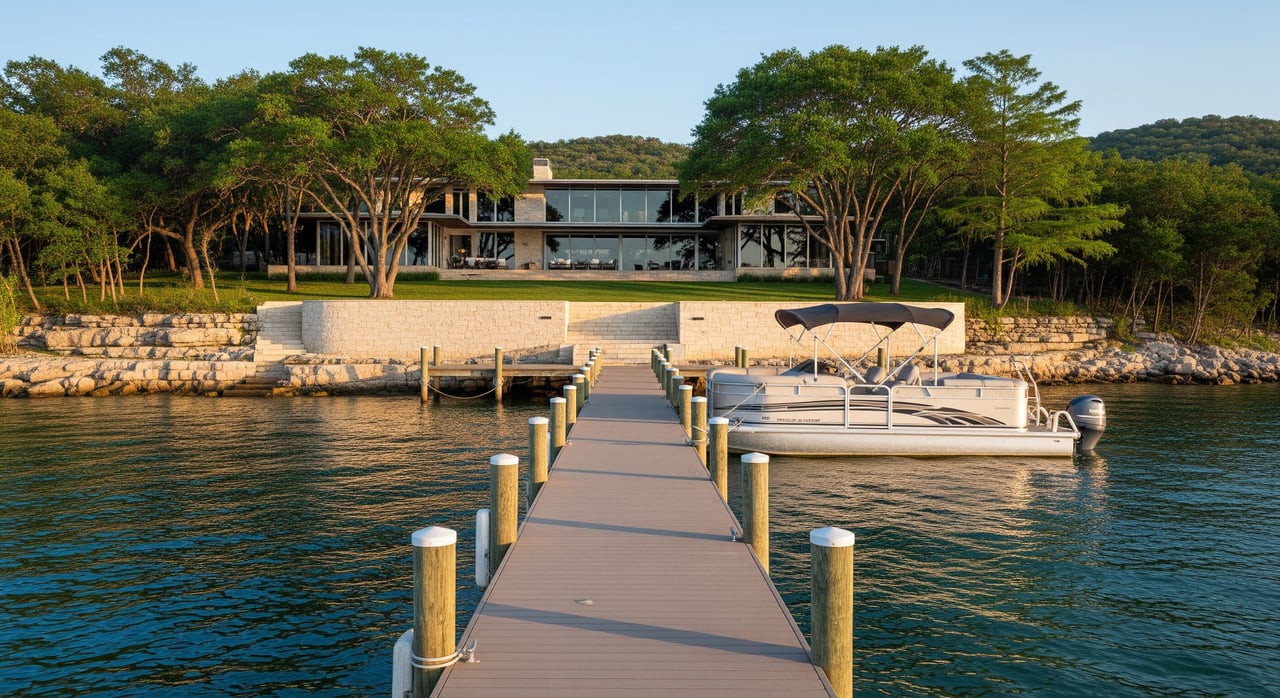
Buying on Lake Austin is not just about the view. It is also about understanding a layered set of rules that shape what you can build, how you use the shoreline, and the way you enjoy the water. If you are considering a purchase, you want clarity before you invest. This guide walks you through the key authorities, permits, and due diligence steps so you can buy with confidence. Let’s dive in.
Who regulates Lake Austin
LCRA oversight
The Lower Colorado River Authority manages Lake Austin as part of the Highland Lakes system. LCRA issues permits for docks, buoys, and many shoreline structures and also enforces rules on safety and navigation. You should confirm whether an existing dock has a valid LCRA permit and whether recorded LCRA shoreline easements affect the site. LCRA can require changes if a structure encroaches on reserved areas or affects public use.
City of Austin vs. Travis County
If the property sits inside Austin city limits, City land‑development, environmental, and building rules can apply. That can include impervious cover limits, tree protections, hillside or water quality overlays, and permits for building work. If the property is in unincorporated Travis County, County building, septic, and floodplain rules govern instead. Always confirm jurisdiction for each parcel because rules differ.
State, federal, and private rules
Texas Parks and Wildlife enforces statewide boating laws, safety equipment rules, and vessel registration. FEMA flood maps and elevation requirements can shape design and insurance needs, and on larger shoreline projects the Army Corps of Engineers may be involved. Private deed restrictions and HOA covenants often layer on stricter rules about docks, vegetation, and short‑term rentals. These private rules are enforceable by the community.
Docks, buoys, and moorings
LCRA is the primary permitting authority for docks and buoys on Lake Austin. You may also need City or County approvals and must follow any HOA rules.
What to verify before you buy:
- Is there an active LCRA dock permit, and is it current for the present owner?
- Does the dock encroach into LCRA shoreline easements or public use areas?
- Will LCRA allow modifications, a replacement, or a new dock under today’s rules and setbacks?
Permits often address design, materials, anchoring, lighting, and location relative to navigation channels. Docks built without approval can face removal or retrofit orders. Water levels and shoreline conditions change over time, so you may be required to relocate or adjust a dock to stay compliant.
Shoreline stabilization and vegetation
Seawalls, riprap, bulkheads, and other shoreline stabilization work typically require LCRA approval. City or County permits and environmental rules may also apply. In some cases, larger projects can trigger additional state or federal review.
Tree removal and vegetation clearing near the shoreline can be restricted by the City of Austin, LCRA policies, and private covenants. Unapproved clearing can increase erosion and create compliance issues. A smart first step is to get an as‑built survey with topography and the ordinary high‑water line, then consult a licensed shoreline contractor and the local permitting office.
Setbacks, buffers, and overlays
Local water quality protections can limit where and how you build near the lake. Inside Austin, environmental overlays and watershed rules can affect impervious cover, erosion control, and construction methods. Travis County may have different or fewer limits in unincorporated areas. Confirm zoning, overlays, and buffer requirements early, since they influence the footprint and placement of improvements.
Boating rules and wake zones
State boating laws, including life jacket rules and vessel registration, are enforced by Texas Parks and Wildlife. LCRA rangers and local law enforcement manage local speed, wake, and no‑wake zones. Wakes can erode shorelines and stress dock structures, so location matters. Visit the property during peak boating times to understand noise, traffic patterns, and wake impact, and note the proximity to marinas and posted no‑wake areas.
Short‑term rentals on Lake Austin
If the home is inside Austin city limits, the City’s short‑term rental program and permit requirements apply. Outside the city, rules vary, but county requirements, septic capacity, and HOA covenants still matter. Many waterfront communities restrict STRs. Before you assume rental income, verify municipal jurisdiction, review current rules, and read recorded deed restrictions.
Title, easements, and shoreline ownership
Lake Austin is a managed reservoir, not a natural lake. Ownership of the lakebed and the rights to use the shoreline can differ from what you might expect. Recorded LCRA easements, utility corridors, access easements, and public use reservations are common along the shoreline. These can limit dock placement and require setbacks.
Order a thorough title commitment and review all exceptions. A current boundary and topographic survey that shows the waterline, improvements, and any encroachments is essential. When language in the deed is complex, consult a Texas real‑estate attorney with reservoir experience.
Floodplain, water levels, and insurance
FEMA flood zones and elevation requirements can affect design, finished‑floor elevations, and insurance costs. Because Lake Austin’s levels are managed, the water surface can fluctuate with seasonal patterns and dam operations. That variability affects shore access, dock usability, and long‑term maintenance. Waterfront properties often carry higher insurance costs and may need specialized coverage for structures like docks and seawalls.
Buyer due‑diligence checklist
Use this quick list to structure your process:
- Confirm jurisdiction
- Determine whether the parcel is inside Austin city limits or in unincorporated Travis County.
- Title and recorded documents
- Order a title commitment and review all exceptions for LCRA easements, deed restrictions, and utility rights.
- Obtain HOA covenants and architectural rules.
- Permits and as‑builts
- Request seller documentation for docks, seawalls, lifts, and shoreline work, especially LCRA permits.
- Confirm whether permits transfer or if you must obtain new approvals.
- Survey and boundaries
- Commission a current boundary/topographic survey showing the ordinary high‑water line, improvements, and any encroachments.
- LCRA review
- Verify permitted dock footprint, easement areas, and any past enforcement or unresolved violations.
- Municipal and environmental rules
- Check City or County requirements for docks, seawalls, building permits, and tree or vegetation removal. Ask about overlays and watershed rules.
- Flood and insurance
- Review FEMA maps, obtain an elevation certificate if needed, and get quotes for homeowners and flood coverage that include dock structures.
- Water access and use
- Visit at peak boating times to assess wakes, noise, and traffic. Confirm practical dock access with an experienced contractor.
- STR and rental use
- Confirm if STRs are allowed by the City or County and by HOA rules before planning rentals.
- Professional team
- Engage a local title or real‑estate attorney, licensed land surveyor, and shoreline or dock contractor familiar with LCRA processes.
- Timelines and costs
- Ask agencies for current permit timelines and fee schedules. Budget for engineering and construction.
Common conflicts and penalties
Unpermitted docks, seawalls, or buoys can be ordered removed or brought into compliance by LCRA or local authorities. Violations of HOA covenants can trigger fines or require you to change or remove improvements. Noncompliance with short‑term rental rules can result in fines or permit denial. Missing environmental or floodplain permits can raise liability and insurance costs.
Timeline and budget planning
Approval timelines vary with project scope. Simple dock permits may be processed in weeks, while complex shoreline stabilization can take months and require engineering. Build in time for title review, surveys, and HOA approvals. Budget for permit fees, design, engineering, and construction, and consider potential mitigation such as erosion control or vegetation restoration.
Final thoughts and next steps
Lake Austin is a rare lifestyle, and it rewards careful planning. When you understand the roles of LCRA, the City or County, and your HOA, you can protect your investment and enjoy the water with fewer surprises. Assemble the right team early, verify permits, and let the due diligence guide your design and timing.
If you are weighing a purchase or planning improvements, connect for a confidential conversation. For tailored guidance on Lake Austin properties, reach out to Bridget Ramey.
FAQs
What should Lake Austin buyers know about dock permits?
- LCRA is the primary dock and buoy permitting authority, and you may also need City or County approvals plus HOA sign‑off; verify an active permit and whether it transfers.
Does a Lake Austin homeowner own the shoreline to the water?
- Not always; recorded LCRA easements and reservoir rules can alter ownership and use rights at the water’s edge, so review title exceptions and a current survey.
Are short‑term rentals allowed on Lake Austin waterfront homes?
- It depends on jurisdiction and private covenants; the City of Austin regulates STRs, and many HOAs restrict or ban them, so confirm both before planning rentals.
How do wake zones and boating rules affect a purchase?
- TPWD enforces statewide boating laws and LCRA manages local wake and speed zones; visit the property at peak times to gauge traffic, noise, and wake impacts.
How long do shoreline permits typically take on Lake Austin?
- Timelines vary by scope; small dock permits can be weeks while engineered shoreline stabilization may take months, so plan budgets and closing timelines accordingly.