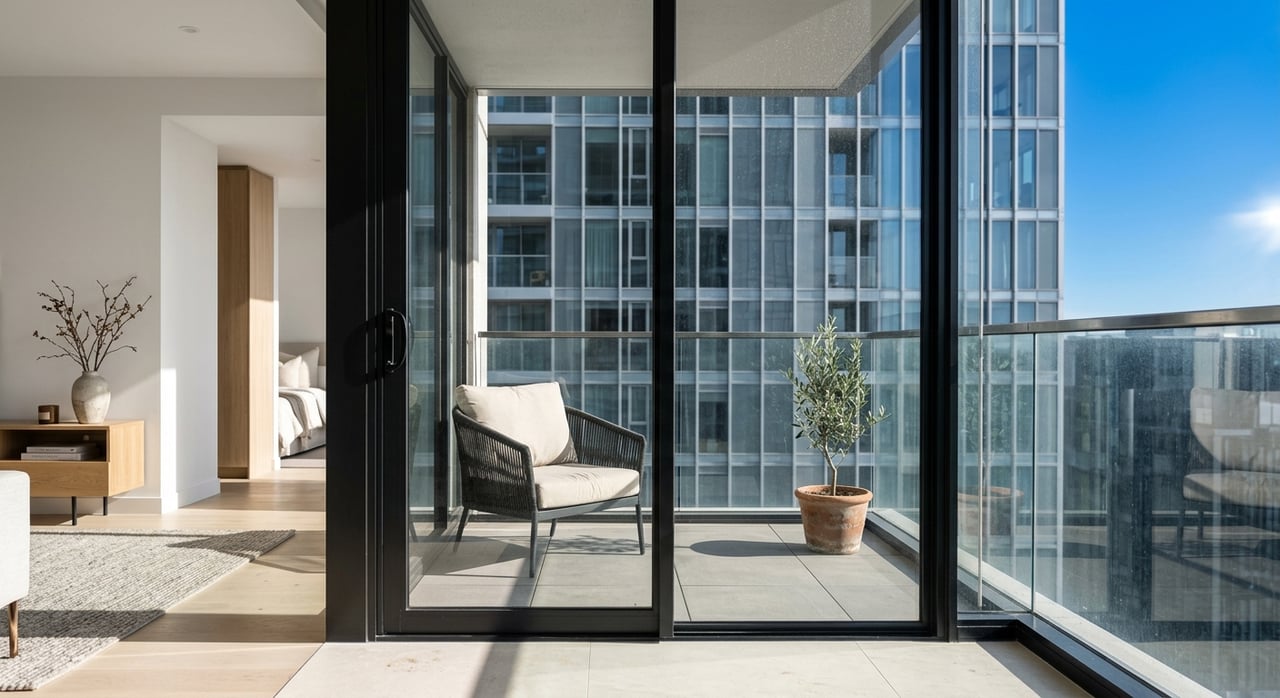
If you picture Austin luxury as a private lot, mature trees, and room to spread out, downtown high-rise living can feel like a very different world. For some buyers, that difference is exactly the appeal. For others, it is a mismatch in daily rhythm. This guide will help you weigh the real advantages, trade-offs, and lifestyle fit of luxury high-rise living in Downtown Austin so you can decide with clarity. Let’s dive in.
What Downtown Austin Living Really Feels Like
Downtown Austin is not a quiet pocket tucked away from the city. It is Austin’s urban core and largest employment center, with roughly 15,300 residents, 130,000 employees, more than 10,300 residential units, and a steady flow of daily visitors. In 2025, the area also saw more than 111,000 out-of-market visitors per day, which tells you a lot about the energy and intensity of the district.
That urban character shapes the high-rise experience. The area is built around walkability, transit access, office towers, restaurants, entertainment, parks, and public space. If you want a home base in the middle of activity, downtown offers that in a way few other Austin locations can.
The City of Austin’s Downtown Plan describes the area as a dense, livable, multi-modal center with a vibrant day-and-night environment. You are not just buying square footage in a tower. You are buying into a lifestyle tied to mobility, convenience, and shared city amenities.
Why Buyers Choose Luxury High-Rises
For the right buyer, downtown high-rise living can feel effortless. Instead of managing a yard, exterior upkeep, and the many moving pieces that come with a standalone home, you may gain a more streamlined, lock-and-leave way of living.
Many luxury towers also pair private residences with hospitality-style amenities. Current downtown examples in the luxury category advertise features such as 24/7 concierge staffing, valet parking, guest suites, fitness spaces, resident pools, spa access, dog-focused amenities, and indoor-outdoor gathering areas. In practical terms, that often means less maintenance on your shoulders and more service built into daily life.
Walkability Is a Major Advantage
One of downtown’s strongest selling points is how easy it can be to get around without relying on your car for every errand or evening out. Walk Score examples for central downtown addresses range from 85 to 99, with several locations scoring in the high 90s.
If you value stepping outside and reaching dining, entertainment, offices, trails, or everyday services on foot, that convenience is hard to replicate in lower-density parts of Austin. For many buyers, that is the core benefit of the downtown lifestyle.
Transit and Multi-Modal Access Add Flexibility
Downtown Austin also functions as a transportation hub. Residents can access bus service, rail, rideshare, biking, scooters, MetroBike, and nearby trails. CapMetro’s Red Line connects downtown to Leander with 10 stations, and Rapid routes 801 and 803 run until about midnight.
That does not mean every downtown resident will go fully car-free. It does mean you have more ways to move through the city, which can make day-to-day life feel more flexible and less car-dependent.
Shared Amenities Can Replace Private Space
A luxury high-rise usually asks you to trade some private space for shared amenities and service. Instead of a large yard, guest house, or detached gym, your building may offer terraces, lounge areas, fitness facilities, concierge support, bike storage, and guest accommodations.
For some buyers, that is a smart exchange. If you prefer convenience over maintenance and value services you can use without personally managing them, a tower can be a strong fit.
The Trade-Offs You Should Consider
Downtown living works best when you go in with clear expectations. The same factors that make downtown exciting can also create friction if your lifestyle leans toward privacy, quiet, and separation.
This is where the fit question matters most. Luxury does not always mean the same thing in every setting.
Noise and Activity Are Part of the Package
Downtown Austin is designed for culture, events, entertainment, and daily movement. Street closures can happen during special events, and the city’s sound rules allow different outdoor amplified sound windows depending on location and nearby uses.
If you live near active entertainment areas such as 6th Street, Red River, or the Warehouse District, you should expect more ambient activity. Construction can also affect the experience, since non-peak concrete pours are permitted overnight in parts of downtown. A high-rise can be polished and comfortable, but it is still part of a busy urban environment.
Parking Requires More Attention
Parking downtown is workable, but rarely effortless. The downtown transportation ecosystem is built around multiple options, including garages, pre-book parking, rideshare, transit, scooters, and biking.
As a buyer, you will want to look closely at how a specific building handles assigned parking, guest parking, and secure access. If you own multiple vehicles or expect frequent visitors, those details matter more than they might in a traditional residential setting.
Monthly Carrying Costs Can Be Higher
High-rise ownership often comes with regular condo or HOA dues that are separate from your mortgage payment. Those dues can range from a few hundred dollars per month to more than $1,000 per month, and buyers should also budget for taxes, insurance, utilities, maintenance, and repairs.
This is one of the biggest practical differences between a downtown tower and a house. The appeal of concierge services, amenity decks, and managed common areas often comes with higher recurring costs, so it is important to evaluate the full ownership picture rather than the purchase price alone.
What the Downtown Condo Market Suggests
If you are considering a downtown purchase now, you may be looking at a market with more options than buyers saw during peak-boom conditions. The 2026 State of Downtown reports that condo inventory increased by 550 units since 2024, a 14% jump.
That same report notes that the development pipeline has contracted and the market is absorbing recent projects. Combined with a 123-day average market time for condos in the 2025 report, that suggests a less frantic environment and more room to compare buildings, floor plans, and trade-offs carefully.
For thoughtful buyers, more inventory can be helpful. It gives you a better chance to weigh location, views, exposure, amenities, parking, and overall building feel instead of rushing into the first available option.
How Downtown Compares With West Austin
For many of Bridget Ramey’s clients, the real question is not whether downtown is impressive. It is whether downtown is a better fit than West Austin, Lake Austin, or another lower-density setting.
That comparison comes down to how you want your life to feel day to day.
Downtown Favors Convenience and Energy
Downtown is best suited to buyers who want immediate access to restaurants, trails, offices, entertainment, and city activity. It often appeals to those who value lock-and-leave ease, concierge-style support, and a home that feels connected to the pulse of Austin.
If your ideal routine includes walking to dinner, using transit options, and minimizing household upkeep, downtown can make a lot of sense.
West Austin Favors Privacy and Space
West Austin and nearby areas present a very different residential pattern. West Lake Hills planning emphasizes single-family detached homes, one-acre minimum lots, privacy buffers, and low density. Central West Austin planning also supports preserving lower-intensity residential use in neighborhoods such as Tarrytown, Pemberton Heights, and Bryker Woods.
That planning context helps explain why West Austin feels so different from downtown. In these areas, you are more likely to prioritize separation, outdoor space, and a more traditional home environment.
Walkability Highlights the Difference
Walkability scores make the contrast even clearer. Central downtown examples score in the high 80s to high 90s, while West Lake Hills examples cited in the research score in the mid-20s.
That does not make one option better than the other. It simply reflects two very different lifestyles. Downtown supports walkability and immediate access. West Austin supports privacy, land, and a quieter residential pace.
How to Tell If a High-Rise Fits You
Luxury high-rise living in Downtown Austin may be right for you if your priorities line up with the environment. The key is being honest about your habits, preferences, and tolerance for city intensity.
A downtown tower may be a strong fit if you value:
- Walkability and easy access to dining, trails, and events
- Concierge or hospitality-style service
- A lock-and-leave residence with less hands-on maintenance
- Transit, rideshare, biking, or car-light living options
- Shared amenities in place of a larger private footprint
A house in West Austin or a lower-density area may suit you better if you prefer:
- More privacy and physical separation
- Larger outdoor areas or more land
- A quieter day-to-day environment
- Easier guest parking and storage
- A more traditional single-family home lifestyle
Questions to Ask Before You Buy
Before you choose a downtown tower, focus on the details that shape daily life. Two buildings can both be considered luxury, but the ownership experience may feel very different.
Start with questions like these:
- How much street noise reaches this specific unit?
- What does the HOA actually cover?
- How do dues compare with the overall monthly ownership cost?
- Is parking assigned, secure, and practical for everyday use?
- How easy is guest parking?
- Can you realistically live car-light in this location?
- Does the building feel optimized for full-time living, part-time use, or both?
These are the kinds of questions that move the conversation beyond branding and into real lifestyle fit.
For buyers deciding between a downtown high-rise and a home in West Austin, the answer usually becomes clear once you focus on your daily rhythm. If you want service, walkability, and an urban home base, downtown may be a smart match. If you want privacy, land, and a more insulated residential setting, West Austin may feel more natural. If you want help weighing those options with local perspective and discretion, Bridget Ramey offers a private, concierge-level approach tailored to how you actually want to live.
FAQs
Is Downtown Austin high-rise living good for full-time residents?
- Yes, it can be a strong fit for full-time residents who value walkability, shared amenities, transit access, and a lower-maintenance lifestyle in Austin’s urban core.
Are Downtown Austin luxury condos noisy?
- They can be, depending on the building’s location, unit exposure, nearby entertainment districts, special events, and ongoing downtown construction activity.
Do Downtown Austin high-rises usually have HOA fees?
- Yes, condo or HOA dues are a common part of high-rise ownership and are typically paid separately from the mortgage, along with other costs such as taxes, insurance, utilities, and maintenance.
Is parking easy in Downtown Austin condo buildings?
- Parking is generally manageable, but not effortless, so you should review assigned spaces, guest parking, and building-specific access before buying.
How does Downtown Austin compare with West Austin for luxury buyers?
- Downtown Austin generally offers more walkability, transit access, and lock-and-leave convenience, while West Austin typically offers more privacy, land, and a quieter single-family home setting.
Is now a better time to shop for Downtown Austin condos?
- Recent downtown data suggests buyers may have more choice than during peak-boom conditions, with condo inventory up and average market time indicating a less rushed shopping environment.