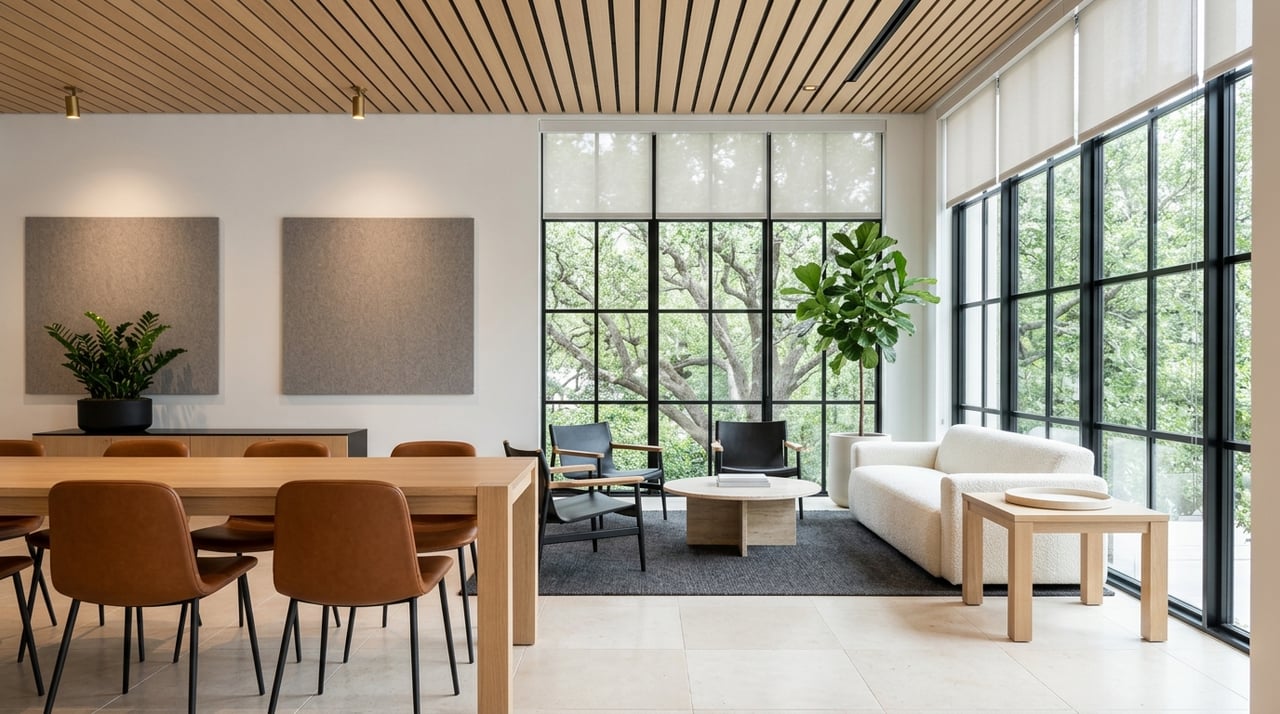
If you work from home, where you live shapes more than your commute. It affects how easily you can shift from focused work to a coffee break, a quick lunch, or an evening reset without losing momentum. In downtown Austin, condo living can support that rhythm in a way few neighborhoods can, especially if you choose the right building and floor plan. Let’s dive in.
Why downtown Austin fits remote work
Downtown Austin works well for remote and hybrid professionals because it functions as a transportation hub. You have access to bus service, rail, rideshare, bikeshare, scooters, and parking options, which makes it easier to move around the city without building your day around driving.
Downtown Station is a major connector for rail riders, bus service, bikeshare, electric scooters, and nearby bike trails. CapMetro’s Red Line also serves downtown, includes Wi-Fi, and runs at high-frequency intervals of about 15 to 30 minutes. If you only need to commute occasionally, that flexibility can still matter.
This lifestyle also lines up with what many buyers already want. Zillow’s 2024 buyer survey found that 62% of buyers said a walkable neighborhood was very or extremely important, 54% said the same about being close to shopping, services, or leisure, and 34% valued access to public transportation.
For you, that can translate into a simpler workweek. Instead of planning every errand or break around your car, you can often treat the neighborhood as an extension of your daily routine.
Daily life beyond your condo
One of downtown Austin’s biggest advantages is that your work-from-home day does not have to happen entirely inside your unit. The Downtown Austin Alliance highlights coffee shops, parks, cafes, bookstores, hotel lobbies, and Central Library as places where you can work, reset, or take a meeting.
That matters if you do your best work with some variety. On some days, you may want a quiet setup at home. On others, you may want to answer emails over coffee, take a walking break, or change scenery for an afternoon work session.
Recent downtown openings reinforce that pattern. The Downtown Austin Alliance has highlighted places like 5th & Brew Coffee Shop, Café Crème at Central Library, Golden Boy at Fareground, and The One, a coworking lounge and event venue on 4th Street.
What to look for in a remote-work condo
Not every downtown condo fits a remote professional the same way. A sleek unit may look impressive online, but the layout often matters more than finishes when you are actually working there five days a week.
Zillow’s 2023 survey found that 64% of buyers considered an extra room for a home office very or extremely important. Among employed buyers who work remotely at least one day per week, that number rose to 71%.
Zillow’s 2024 survey adds more context. A floor plan that fit buyer preferences was very or extremely important to 69% of buyers, ample storage mattered to 65%, private outdoor space to 70%, air conditioning to 83%, and off-street parking or a garage to 65%.
For downtown condo buyers, that usually means looking past surface-level style and asking practical questions about how the space will function from Monday through Friday.
Floor plans that work better
If you work from home regularly, a split-bedroom plan, a true den, or a secondary bedroom with a door is often more functional than a fully open loft. That kind of layout gives you more separation between work calls, sleep, and entertaining.
A dedicated workspace can also support better focus. CDC/NIOSH guidance for home-based work recommends a dedicated work area and emphasizes the importance of controlling noise, lighting, and temperature.
That does not mean a smaller condo cannot work. It means you should be realistic about whether the unit gives you enough privacy, enough wall space for a desk and monitor, and enough separation from the kitchen and living area to stay productive.
Interior details worth extra attention
When you tour a condo, focus on the details that shape your actual workday. Small design choices can make a big difference when your home also functions as your office.
Look closely at:
- Whether the unit has a room with a door for focused work
- Enough wall space for a real desk, chair, and monitor setup
- Window treatments or glare control for screen use
- Lighting that supports long work sessions
- Temperature control and airflow
- Electrical outlet placement for your workstation
- Closet and storage capacity to keep work items contained
- Separation from kitchen, TV, and main entertaining areas
CDC/NIOSH also advises against working long hours from a couch or soft chair. That makes desk placement and ergonomics more important than many buyers first expect.
Amenities that extend your living space
In a downtown condo, building amenities are not always just a bonus. For some buyers, they are part of what makes a smaller footprint work well.
Zillow’s 2024 survey found that 36% of buyers said shared community amenities were very or extremely important. The same share said smart-home capabilities mattered, while 29% said a pool or hot tub was very or extremely important.
For a remote professional, the right amenities can make your home feel larger and more flexible. A resident lounge, gym, pool deck, rooftop terrace, or quiet common area can provide space to take a break, recharge, or work outside your unit when needed.
If you are considering a compact condo, amenity quality may matter just as much as square footage. A well-designed building with useful common areas can support your routine better than a larger unit in a building with fewer practical options.
Coffee, lunch, and workout access
Downtown Austin stands out because so many daily supports sit within a short walking radius. That can lower the friction of remote work in a real way.
For coffee runs or casual work sessions, the Downtown Austin Alliance highlights options such as Alfred, Alta’s, Coffeehouse at Caroline, CoffeePeople, Halcyon, Houndstooth, Intelligentsia, Jo’s, Mañana, Merit, Rosen’s Bagels, and Cookbook at Central Library.
Lunch is similarly easy to handle without getting in the car. Downtown Austin Alliance recommendations include Royal Blue, Hoboken Pie, P. Terry’s, Flower Child, Fareground, Slake Cafe, North Italia, Wu Chow, CAVA, Sweetgreen, Desano, Maiko Sushi Lounge, Taquero Mucho, Le Cafe Crepe, and Koriente.
Fitness is another strong piece of the downtown lifestyle. The Downtown Austin Alliance points to options such as rowing at Waller Creek Boathouse, kayaking and paddleboarding on Lady Bird Lake, Studio Three, F45, Gold’s Gym, Ballet Austin, YTX, CorePower Yoga, RIDE, Orange Theory, Barry’s, Republic Square classes, and the 10-mile Ann & Roy Butler Hike and Bike Trail.
For you, that can mean a more balanced workday. It becomes easier to step out for a real lunch, fit in movement between meetings, or reset after work without a long transition.
The tradeoffs to weigh before buying
Downtown living is not one-size-fits-all. The same energy that makes downtown appealing can also create tradeoffs, especially if you need quiet during the day or evenings.
Noise exposure can vary sharply by block, building orientation, and time of day. The Downtown Austin Alliance notes that the Red River Cultural District has Austin’s largest concentration of live music venues, and its annual reporting also points to major infrastructure projects and active construction mitigation efforts across downtown.
The City of Austin’s 2026 sound-enforcement materials state that in residential areas, sound equipment may not be audible beyond the property line between 10 p.m. and 10 a.m. and may not exceed 75 decibels. The city also regulates amplified sound with different permitted hours and decibel limits for certain downtown entertainment districts.
From a home-office perspective, CDC/NIOSH says repeated workplace noise at or above 85 dBA is hazardous. You do not need to bring sound equipment to a showing, but you should pay close attention to street noise, hallway sound transfer, amenity-deck activity, and nearby construction.
How to tour with a remote routine in mind
A condo that looks perfect at noon on a Tuesday may feel very different at 8 a.m. or 10 p.m. If remote work is central to your lifestyle, your showing strategy should reflect that.
Use this checklist as you evaluate downtown Austin condos:
- Tour the unit in the morning, around lunch, and after dark
- Listen for traffic, nightlife, construction, hallway noise, and elevator noise
- Check whether the building has a lounge or common area that could work as overflow workspace
- Test natural light and glare during typical work hours
- Look for enough outlets where you would place a desk
- Measure whether a bedroom, den, or corner can truly support a workstation
- Review storage so office equipment does not spill into the living area
- Consider balcony or outdoor space usability for short breaks
- Think about how often you may use transit, rideshare, or parking
That kind of tour process helps you judge the condo as a lived space, not just a listing.
Why guidance matters in this search
Downtown Austin condo living can be a strong fit for remote professionals, but the best choice is often more nuanced than price per square foot or finish level. The right building, orientation, layout, and amenity mix can shape how well the home supports your routine.
If you want a downtown condo that feels polished, practical, and easy to live in, it helps to work with an advisor who understands both lifestyle fit and market context. For a private consultation on Austin condo living and tailored buyer guidance, connect with Bridget Ramey.
FAQs
Is downtown Austin good for remote professionals who work from home?
- Yes. Downtown Austin offers walkability, transit access, coffee shops, lunch spots, parks, and fitness options that can make a remote or hybrid routine more flexible and convenient.
What condo layout works best for remote work in downtown Austin?
- In many cases, a split-bedroom floor plan, a true den, or a secondary bedroom with a door works better than a fully open loft because it provides more separation for calls and focused work.
What building amenities matter most in a downtown Austin condo for remote work?
- Useful amenities can include resident lounges, quiet common areas, gyms, pools, rooftop terraces, and smart-home features, especially if you are considering a smaller unit.
How can you check for noise before buying a downtown Austin condo?
- Tour the condo at different times of day and pay attention to traffic, live music areas, construction activity, hallway noise, and sound from shared amenity spaces.
What neighborhood features help remote workers most in downtown Austin?
- Walkability, nearby coffee shops, quick lunch options, parks, library access, fitness choices, and transit connections can all make downtown easier to use as an extension of your work-from-home routine.