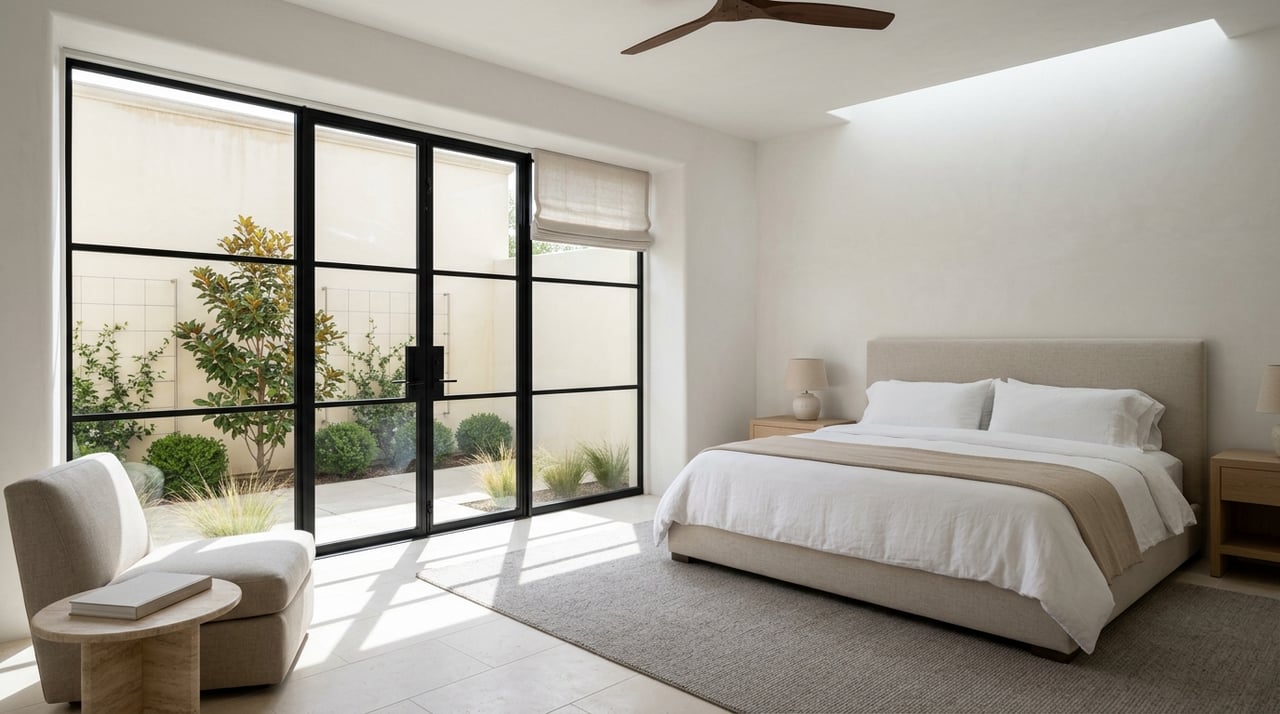
If you love the energy of South Congress but want your home to feel like a true retreat, you are not alone. Many buyers want walkable access to Austin’s most active corridor without bringing that same pace into their living room or bedroom. The good news is that near South Congress, calm is often possible if you know what to look for. Let’s dive in.
Why South Congress Feels Different
South Congress is one of Austin’s most active mixed-use corridors. The City of Austin describes the South Congress Business District as a stretch from Live Oak to Riverside Drive known for shopping, dining, live music, and steady pedestrian activity.
That energy is a major draw, but it also creates a practical tradeoff for buyers. If your goal is a quieter home life, the calmest properties are often not the ones fronting the avenue itself. In many cases, the better fit is a home buffered from the corridor by a few blocks or by a stronger building envelope.
Why South River City Matters
South River City gives you a useful frame for thinking about this search. The neighborhood planning area runs from Lady Bird Lake on the north to East Oltorf on the south, with I-35 on the east and South Congress on the west.
This broader area includes a mix of settings, housing types, and block conditions. That is important because your day-to-day experience can change quickly from one street to the next, even when listings sound similar on paper.
Focus on the Block, Not Just the Name
When buyers say they want to live “near SoCo,” they often picture a lifestyle first. They want convenience, restaurants, music, and easy access to central Austin. But if you crave calm at home, the neighborhood name alone will not tell you enough.
South River City’s planning history, nearby zoning patterns, and historic housing fabric all point to meaningful variation block by block. In the SoCo-adjacent area, you can find older single-family homes, small-lot infill, condos, townhomes, multifamily properties, and mixed-use buildings.
That means two homes just a few streets apart can live very differently. One may face commercial activity or heavier circulation, while another may sit on a quieter interior residential street with a more tucked-away feel.
Nearby Residential Pockets to Watch
South River City Streets
South River City offers proximity to South Congress while still giving you residential pockets that may feel more removed from the corridor. The planning area’s size and varied housing stock make it especially important to study the exact block, frontage, and traffic pattern.
If calm is your top priority, pay close attention to whether a property sits deeper into the neighborhood rather than on an edge condition. A few blocks of separation can make a noticeable difference in how a home feels.
Travis Heights Context
Travis Heights is part of the broader nearby context and includes historic housing fabric. City materials reference historic-landmark activity there, which tells you this area can include older homes with distinct layouts, mature surroundings, and established streetscapes.
For a calm-focused buyer, older homes can be appealing, but they also deserve a careful look at window condition, door fit, and room placement. Charm and quiet do not always come together automatically.
Bouldin Creek Mix
West of South Congress, Bouldin Creek zoning reflects a broad mix that includes detached homes, multifamily, townhome or condo possibilities, and mixed-use parcels. That range can create more choice, but it also reinforces why broad neighborhood labels are only a starting point.
In practice, you want to know what sits next to the property, what the street carries in terms of movement, and whether the building itself was designed to soften outside activity.
What Creates a Calmer Home
A quieter home near South Congress is usually the result of both location and layout. The best outcome often comes from combining a bit of distance from the corridor with smart interior planning and solid construction details.
Federal noise-planning guidance offers a practical checklist that buyers can use during showings. While every home is different, the guidance points to several features that can help reduce sound inside the home.
Prioritize Bedroom Placement
Look first at where the bedrooms sit. Noise-sensitive rooms are generally better placed farther from the road, especially if the property is on a busier street or closer to commercial activity.
If the primary bedroom or secondary bedrooms are tucked toward the back or on the quieter side of the home, that can be a meaningful advantage. Bedroom placement is one of the simplest clues to how restful a home may feel over time.
Look for Buffer Spaces
Closets, hallways, stairways, and similar in-between spaces can act as buffers between street-facing walls and sleeping areas. These details are easy to overlook when a home shows well, but they often matter in daily life.
A thoughtful floor plan can reduce how directly sound travels into the rooms you use most for rest. In a lively area, that kind of separation can be more important than square footage alone.
Check Windows and Doors
Window and door performance matters. Guidance cited in the research notes that double-pane or triple-pane windows can help reduce noise, and that poor window or door fit is a major source of sound leakage.
When you tour a property, take a moment to look beyond finishes. Check whether windows and doors appear well sealed and whether the home feels tight and well maintained along the exterior openings.
Consider Insulation and Mechanical Placement
Added insulation and noise-dampening measures can help support a calmer interior. It is also wise to note where mechanical equipment is located, especially in relation to bedrooms.
A beautiful house can still feel less restful if equipment sits too close to sleeping areas. Quiet at home is often shaped by these practical details more than by décor.
How Austin Rules Fit In
Austin does regulate certain sound conditions. Commercial establishments that use outdoor sound equipment must obtain an Outdoor Music Venue Permit, and in residential areas amplified sound may not be audible beyond the property line from 10 p.m. to 10 a.m.
Those rules are helpful, but they are not a guarantee of silence. For buyers, the more reliable strategy is still to evaluate distance from activity, façade exposure, floor plan, and the quality of the building envelope.
A Smart Showing Checklist
When you tour homes near South Congress, it helps to stay focused on a few high-value filters. These details can tell you more than listing language alone.
- Is the home on an interior residential street or closer to commercial frontage?
- Are bedrooms placed away from the street?
- Do closets, hallways, or stairs buffer quieter rooms?
- Do windows and doors appear solid and well sealed?
- Does the home have a quieter side or rear orientation?
- Is mechanical equipment kept away from sleeping areas?
- How many blocks separate the property from the busiest part of the corridor?
What the Best Match Often Looks Like
For many buyers, the sweet spot near South Congress is not right on the avenue. It is often a home a few blocks off the corridor, on a quieter residential street, with a layout that places bedrooms away from activity and a structure that does a better job of controlling sound.
That approach lets you enjoy what draws people to SoCo in the first place while protecting the atmosphere you want once you are home. Access and calm do not have to be opposites, but they do require a more careful search.
Why Guidance Matters in This Search
In a location with so much variation, a polished listing or familiar neighborhood name only tells part of the story. The real question is how a specific property lives from morning to night.
That is where local pattern recognition becomes valuable. Knowing which blocks tend to feel more buffered, which housing types deserve a closer look, and which layout details matter most can help you buy with more confidence and fewer surprises.
If you are considering a home near South Congress and want a more private, calm-at-home experience, Bridget Ramey offers a thoughtful, concierge-level approach to buyer representation with the discretion and local insight high-stakes decisions deserve.
FAQs
What does buying near South Congress in Austin mean for noise levels?
- Buying near South Congress often means balancing convenience with activity, since the corridor is known for shopping, dining, live music, and steady foot traffic. Homes a few blocks away from the avenue typically offer a better chance at a calmer at-home feel.
What should buyers in South River City look for if they want a quieter home?
- Buyers in South River City should focus on the specific block, bedroom placement, buffer spaces like closets or hallways, window and door seals, and whether the home sits on an interior residential street rather than near commercial frontage.
Are all homes near South Congress similar in feel?
- No. The broader area includes older houses, small-lot infill, condos, townhomes, multifamily properties, and mixed-use buildings, so the feel of one block can differ significantly from the next.
Do Austin sound rules guarantee a quiet home near SoCo?
- No. Austin has rules for outdoor sound and amplified sound in residential areas, but those rules do not guarantee silence. Distance from the corridor, home layout, and façade exposure still matter.
Which home features help reduce outside noise near South Congress?
- Useful features include bedrooms away from the street, buffer rooms between living and sleeping areas, well-fitted windows and doors, double-pane or triple-pane windows, added insulation, and mechanical equipment placed away from bedrooms.