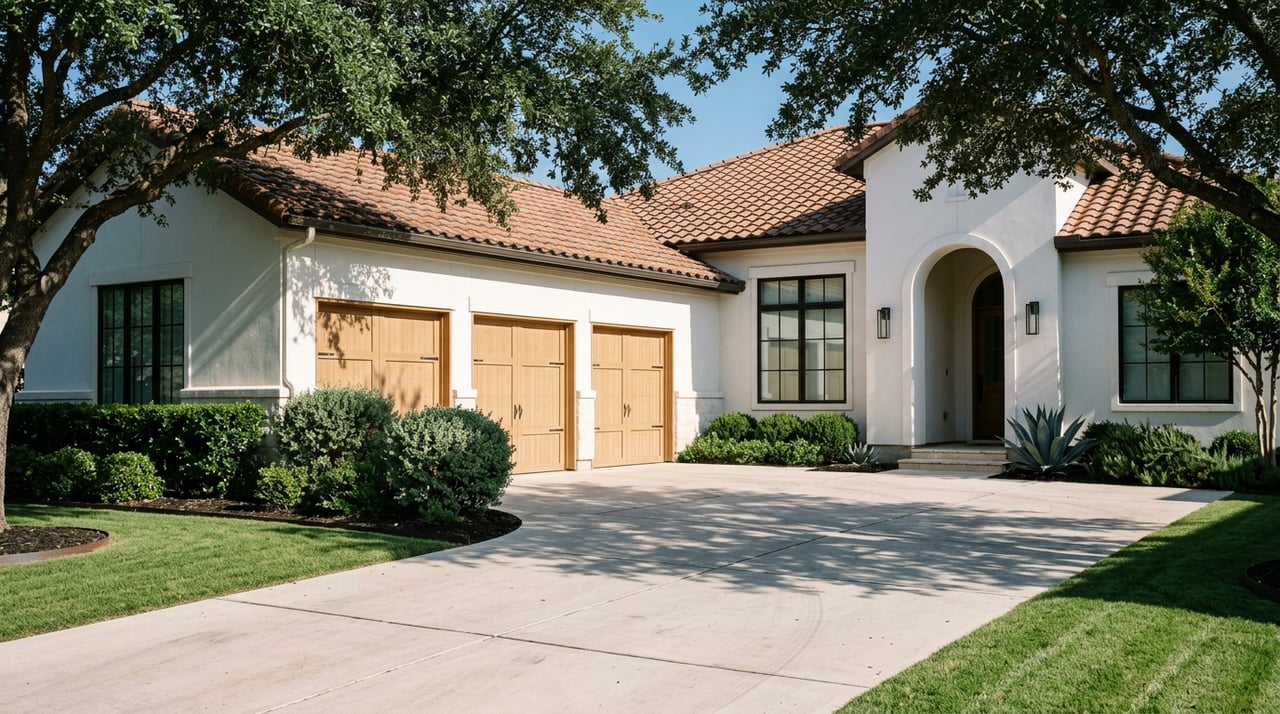
Imagine waking up to wide blue water, coffee in hand, and an easy day of boating ahead. A second home on Lake Travis can deliver that calm, but smart buyers look past the view to understand water levels, dock rights, rental rules, taxes, and insurance. In this guide, you’ll learn the essentials that shape value and day-to-day use of a vacation home on Lake Travis. By the end, you’ll know what to check, who to call, and how to buy with confidence. Let’s dive in.
Lake Travis market reality
If Lake Travis is on your shortlist, expect prices to vary by shoreline, view, and community amenities. In nearby Lakeway, typical single-family values trend in the mid to high six figures, with recent snapshots around $725,000. Values swing higher for premium waterfront, modern builds, or membership-based communities with marinas and resort services. Always rely on local MLS comparables for the specific home you are considering.
Second homes function differently on the balance sheet. Plan for a higher effective tax bill without a homestead exemption, specialized insurance, and lifestyle costs like marina fees and dock maintenance. You’ll want these numbers early in underwriting so you can move quickly on the right property.
Water levels and lake operations
Lake Travis is operated by the Lower Colorado River Authority (LCRA) for both water supply and flood control. The lake is considered full at 681 ft msl, with a flood pool that rises to about 714 ft msl. Water levels can move up or down based on rainfall in the Hill Country and LCRA’s flood operations, so you should treat water-level change as part of normal life on the lake. You can review how LCRA manages flood releases and lake levels on the LCRA flood page for context (LCRA flood operations overview).
Recent seasons have shown both extremes. Drought conditions have closed public boat ramps at times, then heavy rains have raised the lake many feet in a short period. These shifts affect dock access, usable frontage, and launch options. Local reporting documents both drought-related ramp closures and rapid rises after significant storms in 2025 (public ramp closures and level swings).
Bottom line: confirm how a property functions at different water levels before you buy. Your agent can help you gather seasonal photos, neighbor input, and LCRA resources.
Docks, slips and shoreline rules
Residential dock standards
Residential docks on Lake Travis follow LCRA safety standards and the Highland Lakes Marina Ordinance. On Lake Travis, dock extensions are commonly limited to about 100 feet from the shoreline, subject to site conditions and LCRA safety rules. Many small residential docks 1,500 square feet or less typically do not require an LCRA permit, while larger floating structures and marinas do. Always confirm your specific plan with LCRA and any local jurisdiction before building or modifying a dock (LCRA docks and marinas guidance).
Submerged-land rights matter. Owning shoreline does not always mean you own the land beneath the water. If the submerged land is not deeded to you, you will need permission to place or maintain a dock. Do not assume a dock or slip transfers with the home. Some communities treat slips as separate memberships or leases and not deeded real estate (LCRA submerged land considerations).
Marinas and boat storage
If you prefer marina access, Lake Travis offers full-service options with covered slips, drystack storage, valet launch, and amenities. For example, Rough Hollow Yacht Club & Marina in Lakeway publishes slip sizes and member services, with monthly rates that can range from the low hundreds to more than $1,000 depending on size and season (Rough Hollow services and slips). Availability and waitlists change, so verify current terms, transfer rules, and any membership fees with the marina directly.
When shopping homes in marina communities, confirm whether residents have priority, how slips are assigned, and whether a lease or membership transfers with the sale. Treat the slip as its own asset with its own rules.
Renting your Lake Travis home
Short-term rentals are regulated at the city and county level, and policies differ by jurisdiction. Nearby cities handle STRs in different ways. Lakeway limits single-family STR permits and uses spacing rules. Jonestown uses an STR overlay with licensing and standards. Lago Vista has been reviewing and updating ordinance language. These rules evolve, so confirm the current requirements for the exact parcel before you buy if rental income is part of your plan (local STR rule overview).
Hosts must collect and remit the Texas state hotel occupancy tax of 6 percent and any applicable local hotel taxes. Platform collection practices vary by jurisdiction, so you remain responsible for correct filings with the Texas Comptroller and local tax authorities (Texas Comptroller hotel tax guidance). Also review your HOA or POA covenants. Private deed restrictions can limit or prohibit STRs even when a city issues permits.
Taxes and insurance you should plan for
Property taxes on second homes
Property tax appraisals in Travis County run through the Travis Central Appraisal District. Second homes usually do not qualify for a homestead exemption, so your taxable value and annual bill will be higher than on a primary residence. Verify the taxing entities for the parcel and estimate your bill during underwriting (Travis Central Appraisal District).
Flood insurance and shoreline coverage
Standard homeowners policies exclude flood damage. If your property sits in a FEMA Special Flood Hazard Area, your lender will require flood insurance. Even outside high-risk zones, a meaningful share of flood claims has historically come from moderate-risk areas. Get quotes early in your option period and request any Elevation Certificate the seller may have (NFIP and flood risk basics).
FEMA’s Risk Rating 2.0 sets pricing by property-specific risk factors. Traditional NFIP limits often cap at $250,000 for building and $100,000 for contents, which can be lower than many replacement costs. Consider private or excess flood coverage if needed. Also know that flood policies often exclude landscaping, seawalls, and docks unless specifically endorsed. Budget for shoreline maintenance separate from flood coverage (what flood insurance excludes).
Utilities, septic and access
Many Lake Travis properties, especially in quieter coves and farther arms of the lake, rely on on-site sewage facilities. Confirm if the home connects to municipal sewer or has a permitted septic system, and check maintenance records. Replacements and pump-outs can be more complex on steep hill-country lots. LCRA provides information and permitting support for OSSF on the Highland Lakes (LCRA OSSF info).
Also consider access and emergency services. Some areas have narrow or single-route roads. Check road conditions, maintenance responsibility, and response coverage for fire and EMS. Travis County posts emergency response resources and updates after major events, which is helpful if you will use the home as a weekend retreat (Travis County resources).
Smart due diligence checklist
Complete these steps before you sign, or make them contingencies in your offer:
- Title and submerged land rights. Confirm whether submerged land and any existing dock are deeded, leased, or subject to an association or marina agreement. Get recorded easements or membership contracts. LCRA permission is required if you do not own the submerged land (LCRA dock and marina standards).
- Dock permits and safety. Request records of dock permits, inspections, and repairs. Verify compliance with LCRA Safety Standards and budget for replacement if the dock is older or water levels have shifted materially (LCRA dock guidance).
- Flood maps and insurance quotes. Run a FEMA map check and obtain NFIP and private flood quotes during the option period. Ask for any Elevation Certificate and the property’s claims history (NFIP and flood risk basics).
- Marina and slip logistics. If boating is a must, verify whether a slip is included, leased, or available. Ask about waitlists, monthly fees, transfer rules, and any special assessments. Review published services for context (Rough Hollow services and slips).
- HOA and CC&R review. Request the full set of HOA or POA documents, meeting minutes, and pending amendments. Confirm rental limits and any dock or guest-use rules. Texas Property Code Chapter 209 outlines owner rights to association records (Texas Property Code 209).
- STR rules and hotel taxes. Confirm city or county STR permitting, spacing or occupancy limits, and minimum stays. Register for state and local hotel occupancy taxes as required (local STR rule overview; Texas Comptroller hotel tax guidance).
- Septic and utilities. Pull OSSF records, order a licensed inspection, and verify water and power providers. LCRA and local offices can help with OSSF records for Highland Lakes parcels (LCRA OSSF info).
- Total cost of ownership. Get quotes for homeowners, flood, and umbrella liability. Add HOA dues, marina fees, property taxes without homestead exemption, and recurring maintenance for docks, seawalls, and systems (Travis Central Appraisal District).
How we help you buy well
A Lake Travis second home should feel effortless. You deserve a process that is private, thorough, and aligned with your lifestyle. With concierge-level buyer representation, deep knowledge of Austin’s lake markets, and vetted vendor coordination, you get clear answers on water levels, dock rights, STR feasibility, and true carrying costs before you commit.
If you are exploring a quiet cove, an amenity-rich marina community, or a view-forward hillside home, let’s tailor a plan around your priorities. Schedule a private consultation with Bridget Ramey to start curating the right options.
FAQs
How do water levels on Lake Travis affect a second home purchase?
- Lake Travis is managed by LCRA for water supply and flood control, so levels fluctuate; confirm usable water access and dock functionality across seasons and recent high or low periods (LCRA flood operations overview).
What are the basic dock rules for Lake Travis homeowners?
- Many small residential docks under 1,500 square feet do not require LCRA permits, but safety standards and distance limits apply; always verify submerged-land rights and confirm plans with LCRA (LCRA docks and marinas guidance).
Can I operate a short-term rental on Lake Travis?
- It depends on the city and your HOA; Lakeway, Jonestown, and Lago Vista have different STR rules, and private covenants may restrict rentals even if the city allows them (local STR rule overview).
Do second homes in Travis County get a homestead exemption?
- No; second homes typically do not qualify for a homestead exemption, which can increase the taxable value and annual bill compared with a primary residence (Travis Central Appraisal District).
Will my lender require flood insurance for a Lake Travis home?
- If the property is in a FEMA Special Flood Hazard Area, lenders will require flood insurance; consider quotes even outside high-risk zones and request any Elevation Certificate (NFIP and flood risk basics).
What should I know about marinas and slip availability?
- Treat slips as separate assets with their own leases, memberships, and waitlists; confirm availability, transfer rules, and costs directly with the marina (Rough Hollow services and slips).