If you want a neighborhood that feels both rooted and distinctly Austin, Travis Heights stands out right away. You can spend a full day here moving from coffee and tree-lined streets to trail time, local parks, dinner on South Congress, and a walk back past homes that span more than a century of design. For buyers and sellers alike, that daily rhythm helps explain why Travis Heights continues to draw so much attention. Let’s take a closer look.
Why Travis Heights Feels Different
Travis Heights is not a single, uniform subdivision. It is a layered South Austin neighborhood made up of smaller areas including Swisher Addition, Fairview Park, Travis Heights proper, and Little Stacy Park, each platted at different times as access south of the river became easier.
That history still shows up in the streetscape today. You will notice a mix of grid and curving streets, a range of lot sizes, and a residential feel shaped by the neighborhood’s early development pattern.
The setting adds even more character. Travis Heights and Fairview Park are known for winding streets, dramatic hillsides, wooded trails, creeks, and city views, which give the area a more textured and lived-in feel than many close-in neighborhoods.
In 2021, the Travis Heights-Fairview Park district was listed on the National Register of Historic Places. The area also includes the Mary Street Local Historic District, which helps tell the story of preservation and long-term stewardship in this part of Austin.
A Morning Start Near South Congress
A day in Travis Heights often begins just a few minutes from South Congress. That corridor gives you an easy anchor for coffee, breakfast, and a little people-watching before the day picks up.
Jo’s Coffee on South Congress has been serving coffee, tacos, sandwiches, and a steady flow of locals and visitors since 1999. It is one of those familiar stops that fits naturally into a neighborhood routine.
If you want a slower brunch or a coffee meeting, Café No Sé offers coffee, brunch, lunch, cocktails, and dessert daily. Together, these spots help show how Travis Heights connects residential calm with some of South Austin’s most recognizable everyday destinations.
Midday Parks and Trail Access
One of the biggest lifestyle advantages in Travis Heights is how easily you can get outdoors. For many buyers, that close connection to green space and daily movement is a major part of the neighborhood’s appeal.
The Ann and Roy Butler Hike-and-Bike Trail at Lady Bird Lake is a strong example. Austin Parks and Recreation describes it as a 10-mile urban trail with more than 2.6 million visits a year, and the boardwalk section can be accessed off Riverside Drive at Blunn Creek.
That means a signature Austin recreation route is very much part of the Travis Heights lifestyle story. Whether you are walking, jogging, or simply enjoying the lake and skyline views, the trail adds a practical and memorable layer to daily life here.
Neighborhood park access also matters. Big Stacy Neighborhood Park is located at 700 E Live Oak St., and Little Stacy Neighborhood Park is located at 1500 Alameda Dr., giving residents nearby options for open space and outdoor time.
The area also includes city facilities like Big Stacy Pool and the Little Stacy Wading Pool. Those amenities reinforce how Travis Heights blends close-in living with a strong neighborhood park culture.
Evening Energy on South Congress
By evening, Travis Heights shifts into another gear. You can spend the day in a quiet residential setting, then head a short distance for dinner, shopping, live music, or a casual night out.
The South Congress district stretches from Live Oak to Riverside Drive and is known for shopping, dining, and people-watching. It is also associated with live music and long-established local businesses, which gives the area a steady sense of activity without losing its Austin identity.
Güero’s remains a familiar part of that scene at 1412 South Congress Ave. With its outdoor cantina and ongoing events, it fits naturally into the kind of evening many people picture when they think about living near Travis Heights.
That contrast is part of the neighborhood’s draw. You can enjoy a porch, patio, or quiet street at home, then be minutes away from one of Austin’s most recognizable commercial corridors.
Vintage Homes and Varied Architecture
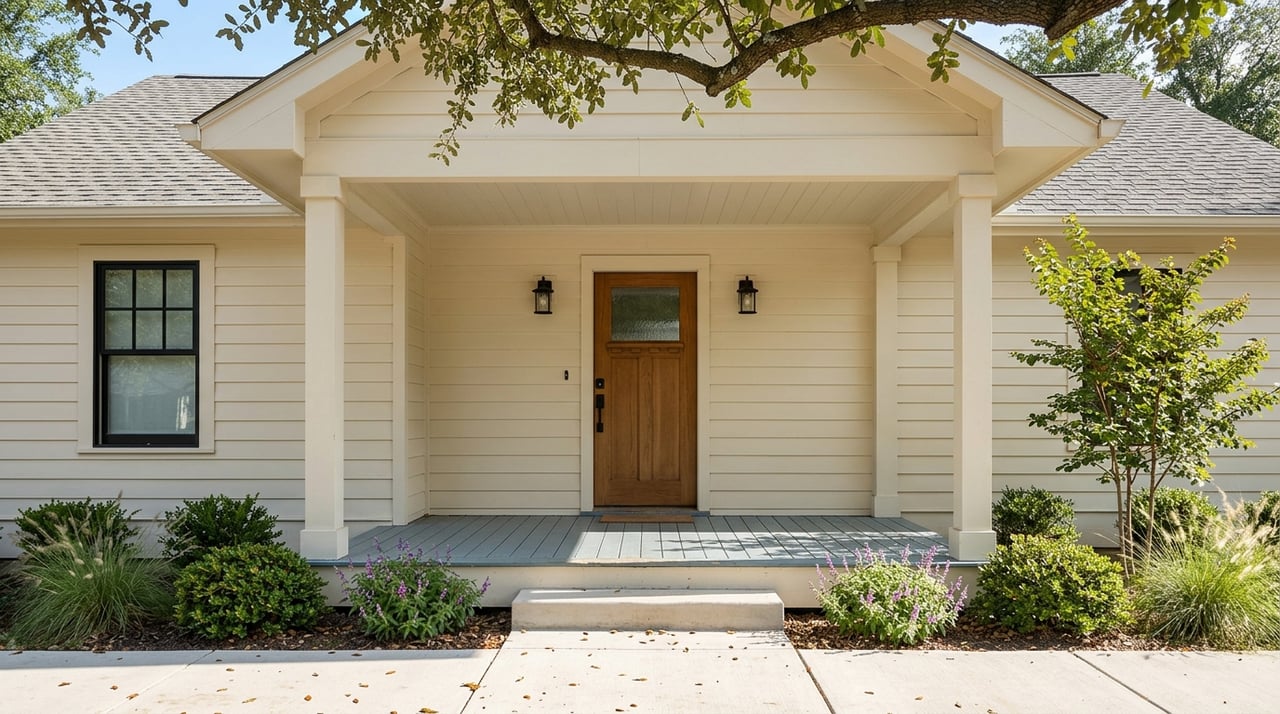
For many people, the homes are the real headline in Travis Heights. The architecture is unusually varied for such a close-in neighborhood, which makes each block feel a little different from the next.
The housing stock ranges from late-1880s Victorians through 1970s Mid-Century Modern homes. Along the way, you will also find Craftsman bungalows, Tudor Revival homes, Spanish Colonial Revival influences, vernacular cottages, and modest one-story residences in several traditional styles.
That variety matters because it shapes both the visual experience and the buying process. In Travis Heights, it is completely normal to see a historic bungalow, an altered older home, and later construction all within the same broader area.
The Mary Street Local Historic District is a compact example of this character. The city describes it as nearly three acres with 19 residential buildings, most of them modest-scale one-story homes in Craftsman, Tudor Revival, and Minimal Traditional styles.
What Buyers Should Notice
If you are considering a home in Travis Heights, charm is only one part of the equation. It also helps to understand how historic status, property condition, and future plans may affect your decision.
The neighborhood includes both contributing and non-contributing properties, which means not every home carries the same historic context or review considerations. Some properties remain highly intact, while others have been substantially altered or built later.
Austin Planning says the Historic Property Viewfinder can show whether a property is a landmark, in a locally designated historic district, or in a National Register district. That distinction matters because local historic districts offer the strongest protection for older districts.
The practical takeaway is simple. If you are buying in Travis Heights, you will want to understand not just the home’s style and setting, but also whether its designation may shape renovation or exterior change decisions over time.
What Sellers Should Keep in Mind
For sellers, Travis Heights often rewards thoughtful positioning. Buyers are usually responding to more than square footage alone. They are also looking at architectural character, setting, access to South Congress, nearby parks, and the overall feel of the block.
Historic designation can also be part of the conversation. The Travis Heights-Fairview Park historic-district guidance notes that National Register listing does not automatically restrict what a non-federal owner may do, while a local historic district does require design standards.
That difference can shape how a property is presented and how buyers evaluate future possibilities. In some cases, contributing properties in local historic districts may also qualify for rehabilitation tax abatements, adding another layer of long-term ownership value to discuss.
For owners, this means preparation matters. A well-framed story around architecture, stewardship, and day-to-day lifestyle can help a home stand out in a neighborhood where no two properties feel exactly alike.
Why Lifestyle Drives Value Here
Travis Heights works because it offers more than one thing at once. You get historic depth, access to outdoor spaces, established neighborhood parks, and quick proximity to South Congress, all within a close-in South Austin setting.
That combination gives the neighborhood a strong sense of identity. It feels residential and textured rather than polished for its own sake, which is often exactly what draws people in.
For buyers, that can mean finding a home with real architectural personality near some of Austin’s most recognizable daily destinations. For sellers, it means the lifestyle story is often just as important as the property details.
If you are thinking about buying or selling in a neighborhood like Travis Heights, having clear guidance can make a meaningful difference. For tailored insight and a private, concierge-level approach to Austin real estate, connect with Bridget Ramey.
FAQs
What is Travis Heights known for in Austin?
- Travis Heights is known for its layered history, varied architecture, hilly streets, creeks, parks, and close access to South Congress and the Ann and Roy Butler Hike-and-Bike Trail.
What kinds of homes are in Travis Heights?
- Homes in Travis Heights range from late-1880s Victorians to 1970s Mid-Century Modern homes, along with Craftsman bungalows, Tudor Revival homes, Spanish Colonial Revival influences, vernacular cottages, and modest one-story traditional homes.
Are there historic districts in Travis Heights?
- Yes. The area includes the Travis Heights-Fairview Park National Register district and the Mary Street Local Historic District, and those designations can affect how a property is understood and, in some cases, regulated.
What parks are near Travis Heights?
- Big Stacy Neighborhood Park and Little Stacy Neighborhood Park are both in the neighborhood, and nearby city facilities include Big Stacy Pool and the Little Stacy Wading Pool.
How close is Travis Heights to South Congress?
- Travis Heights sits just west of South Congress, making it easy to reach coffee shops, restaurants, shopping, and live music within minutes.
What should buyers check before purchasing a Travis Heights home?
- Buyers should check whether a property is a landmark, in a local historic district, or in a National Register district, since that can affect design standards, renovation plans, and long-term ownership decisions.